
LegalTech
Lexis
Designing a legal AI that lawyers could trust, not just use.
Context
Lexis wanted its AI-powered legal research to be the brand’s core differentiator, but to lawyers and law firms, “AI” reads as risk, not innovation. The first version of the design was striking, almost futuristic. Interviews with real lawyers and CEOs made it clear that visual language was generating distrust, not interest.
The challenge wasn’t making the AI look impressive. It was making it feel serious.
Process / My Role
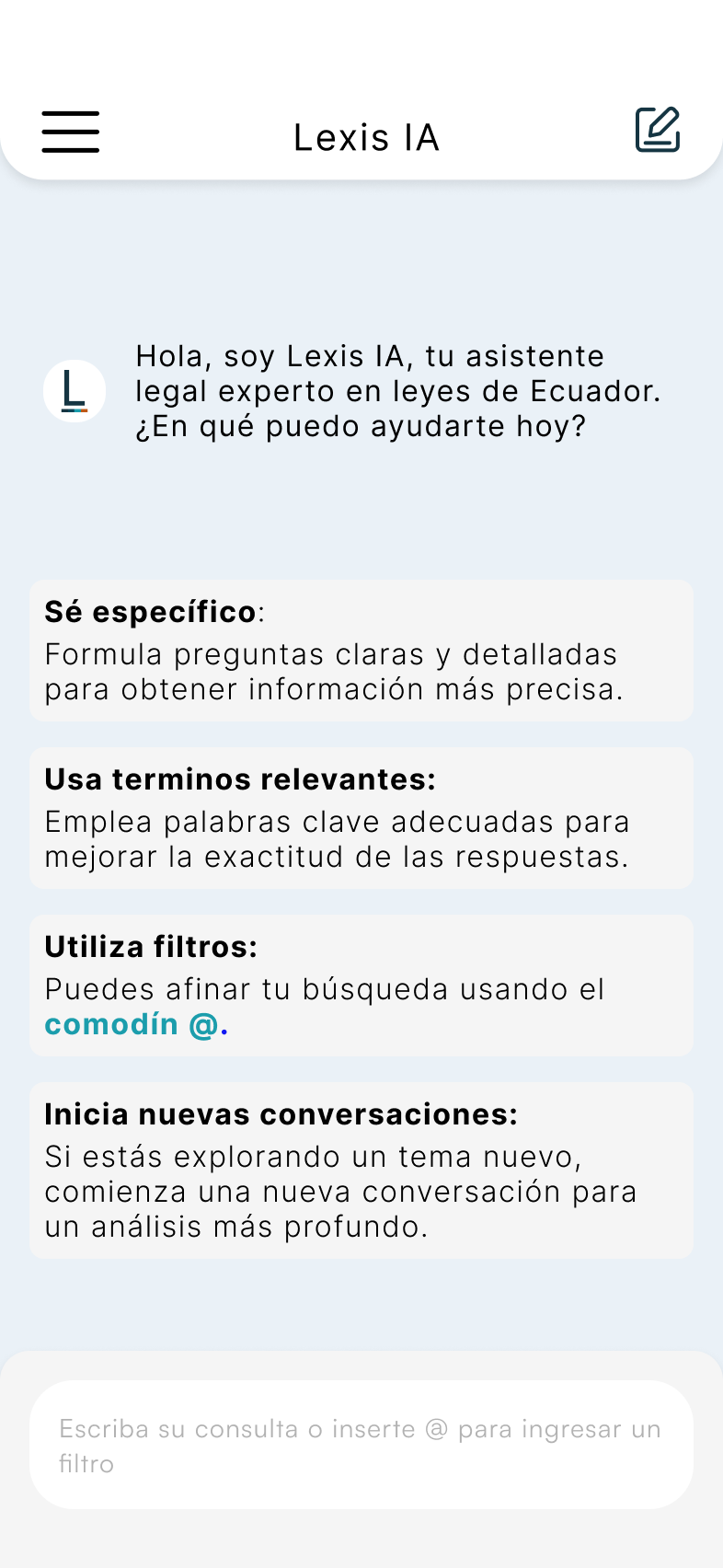
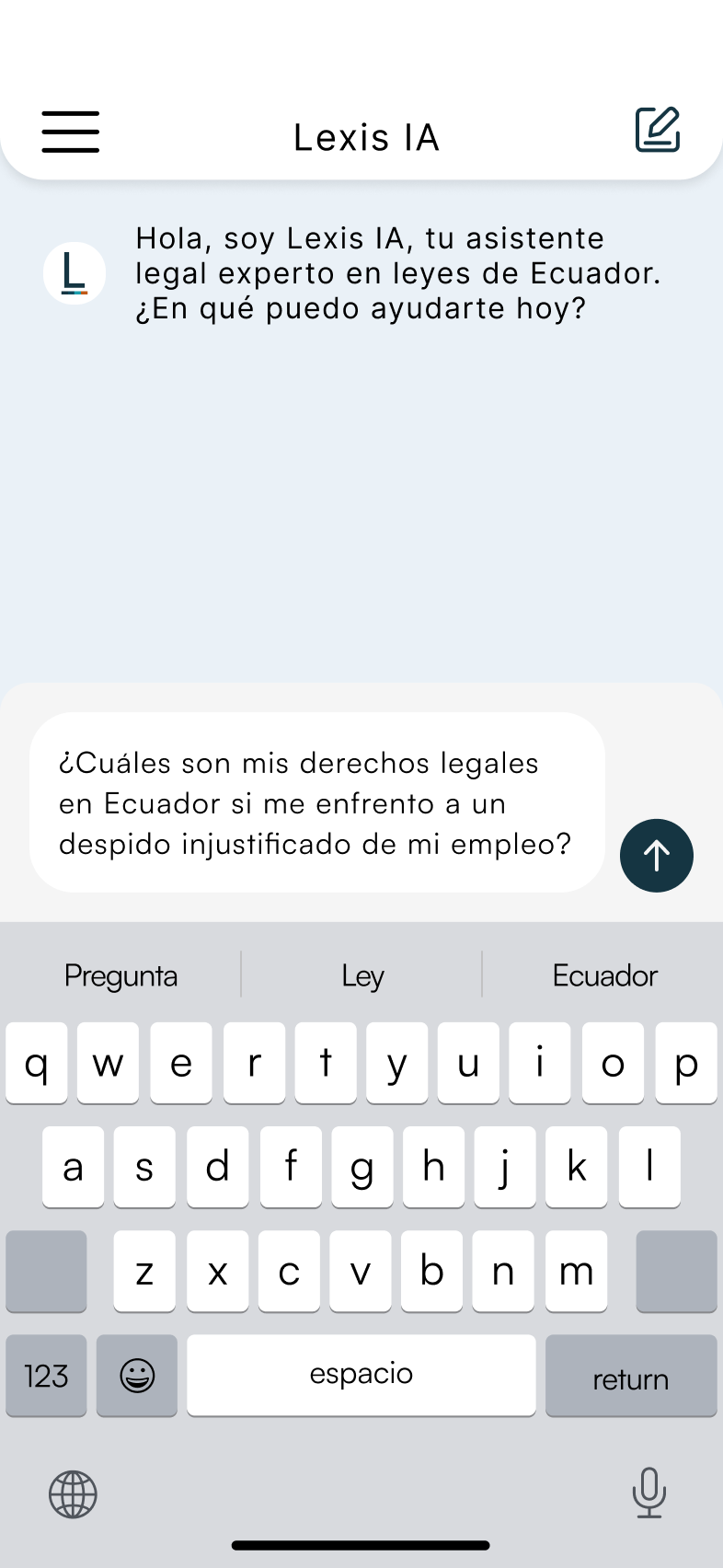
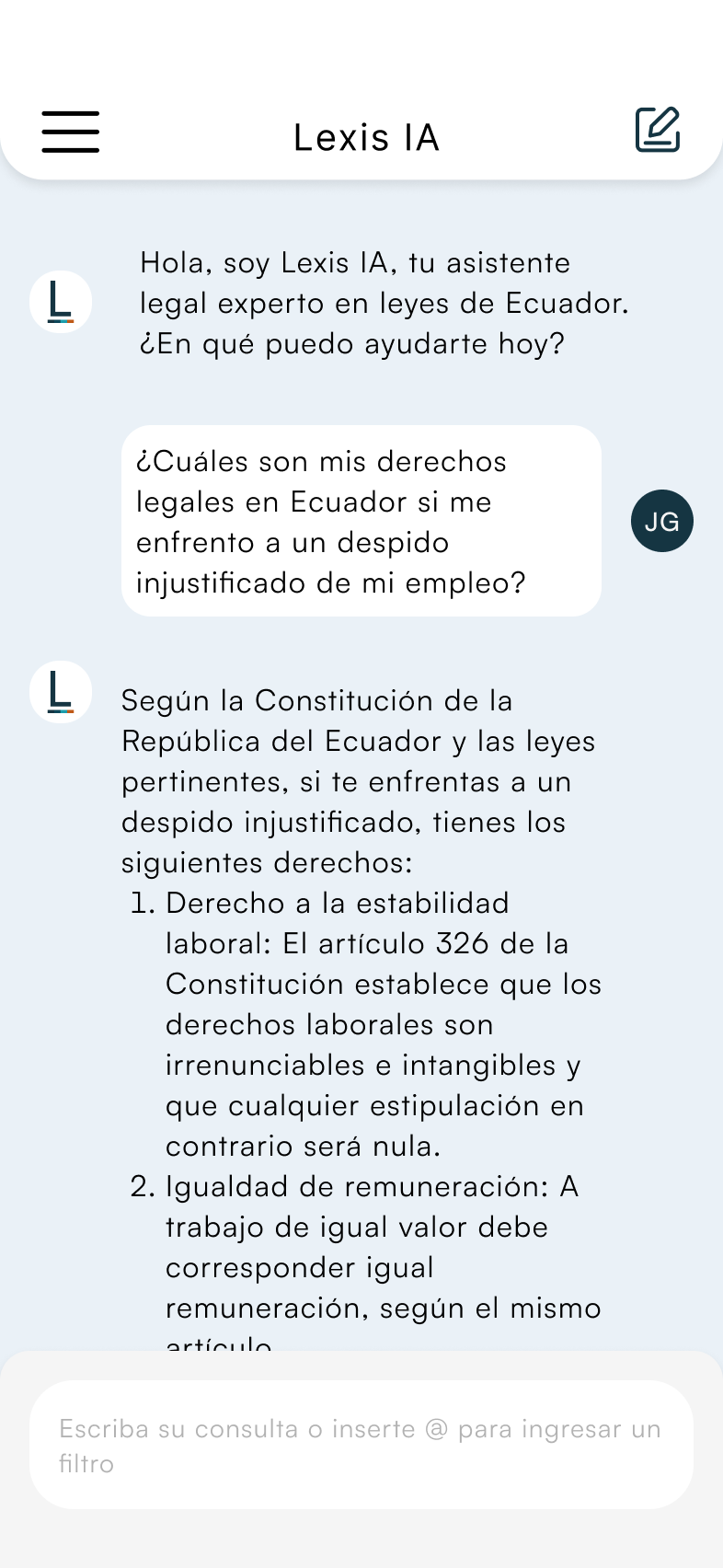
I redesigned the entire experience around one simple principle: every AI answer had to feel verifiable, not magic. Instead of a generic chat, Lexis AI cites the exact article and law behind every response, so the user never has to take it on faith.
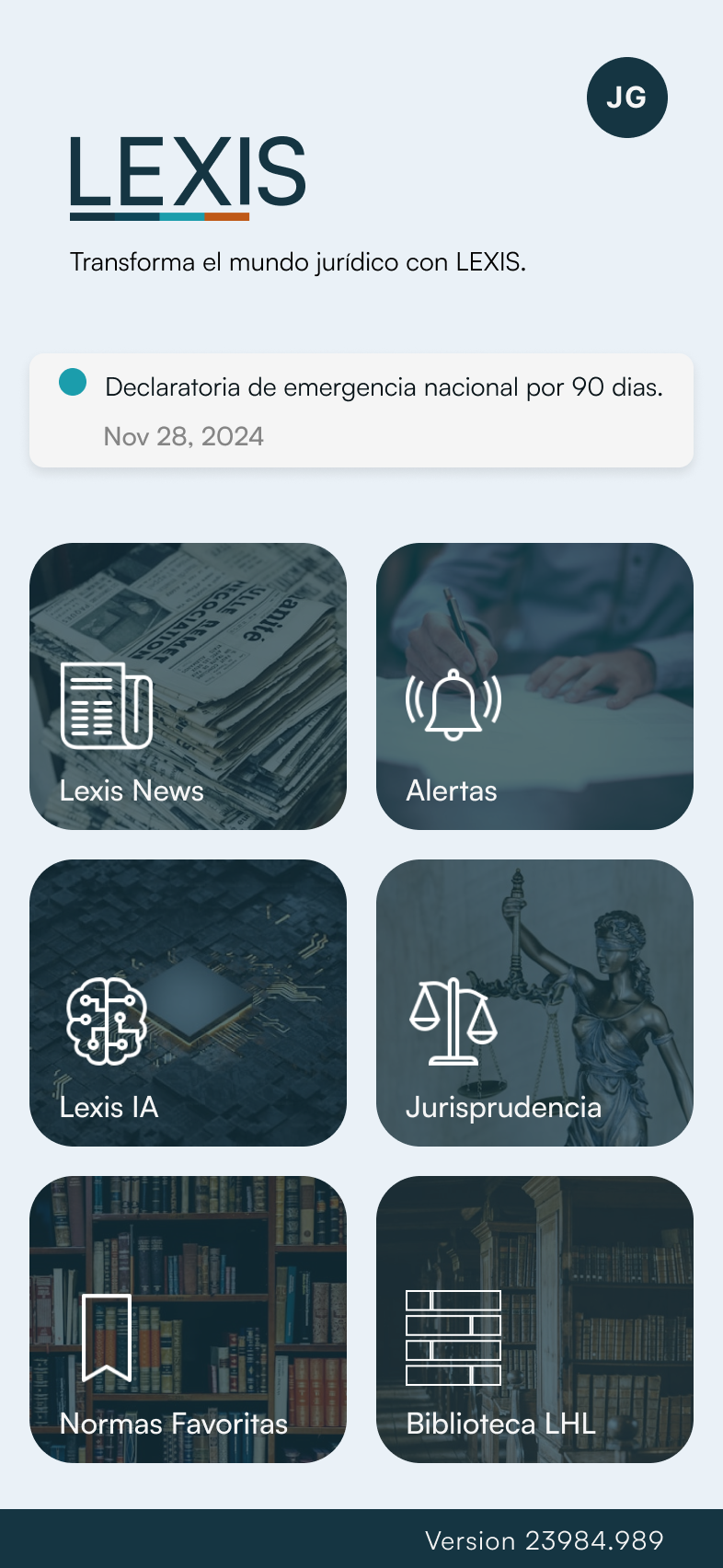
I restructured the app into 6 clear modules (News, Alerts, Lexis AI, Case Law, Favorites, Library), turning what used to be a cluttered interface into a hierarchy a lawyer can scan in seconds. I also led the homepage redesign, applying the same principle (minimalism with strong hierarchy) to communicate modernization without sacrificing legal credibility.
The Work
Lexis AI
Homepage
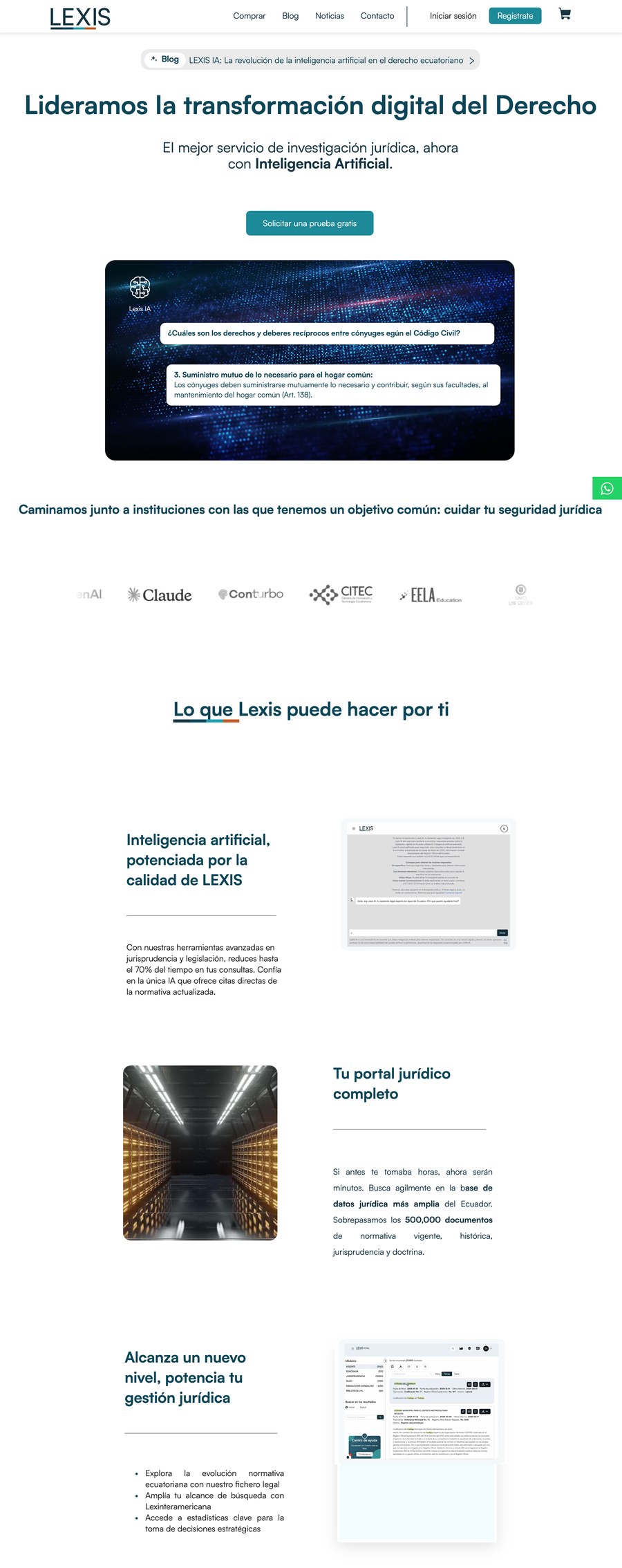
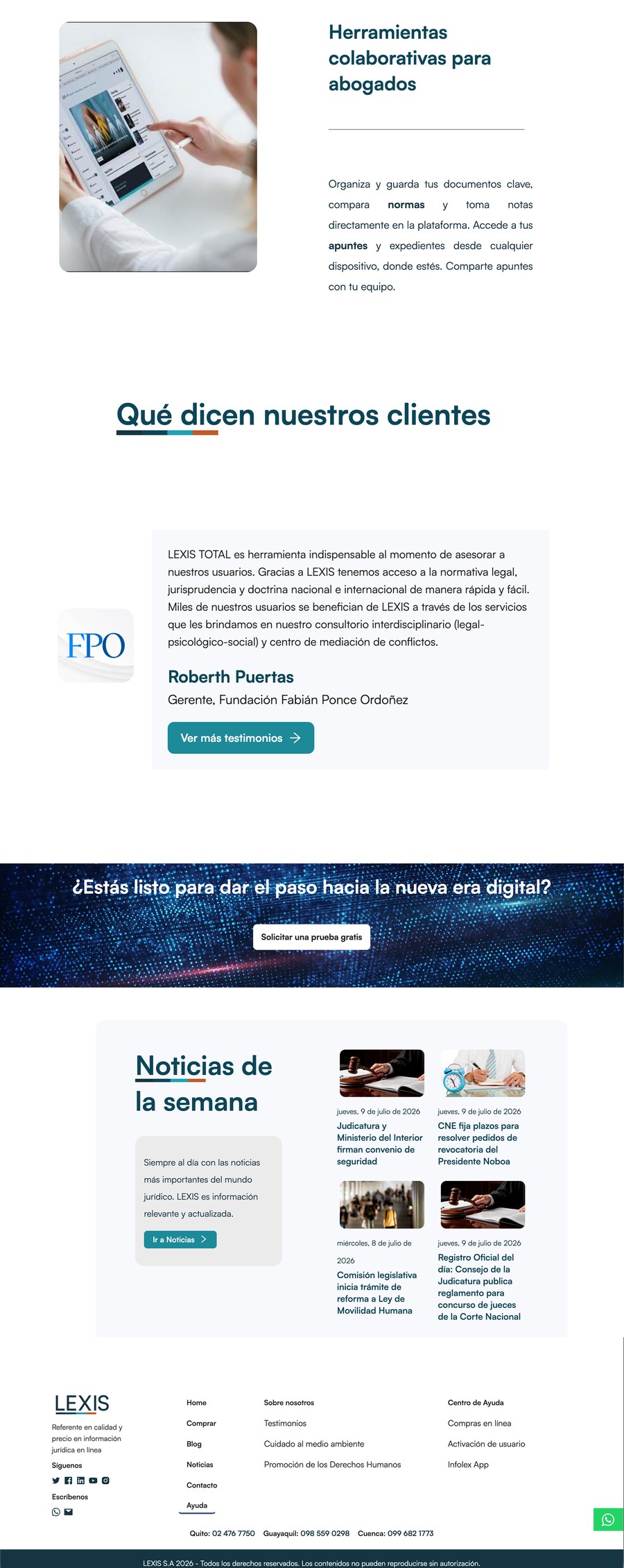
Redesign of the main site applying the same clear-hierarchy principle: the AI value proposition up front, backed by seals from recognized institutions (Constitutional Court, Lexinteramericana, universities) that build credibility before asking the visitor for anything.
+30% increase in demo requests after launch.
Litigant+
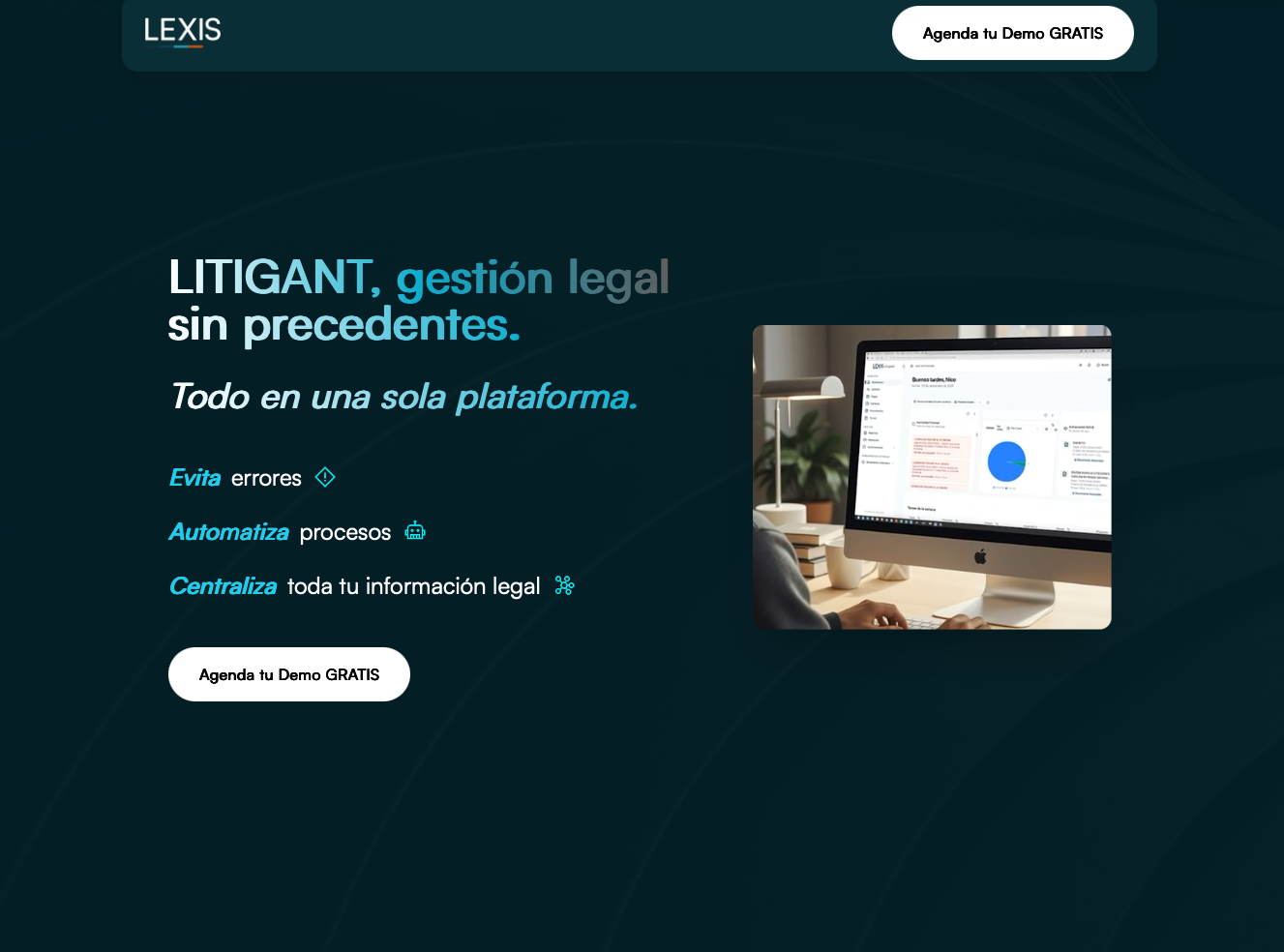
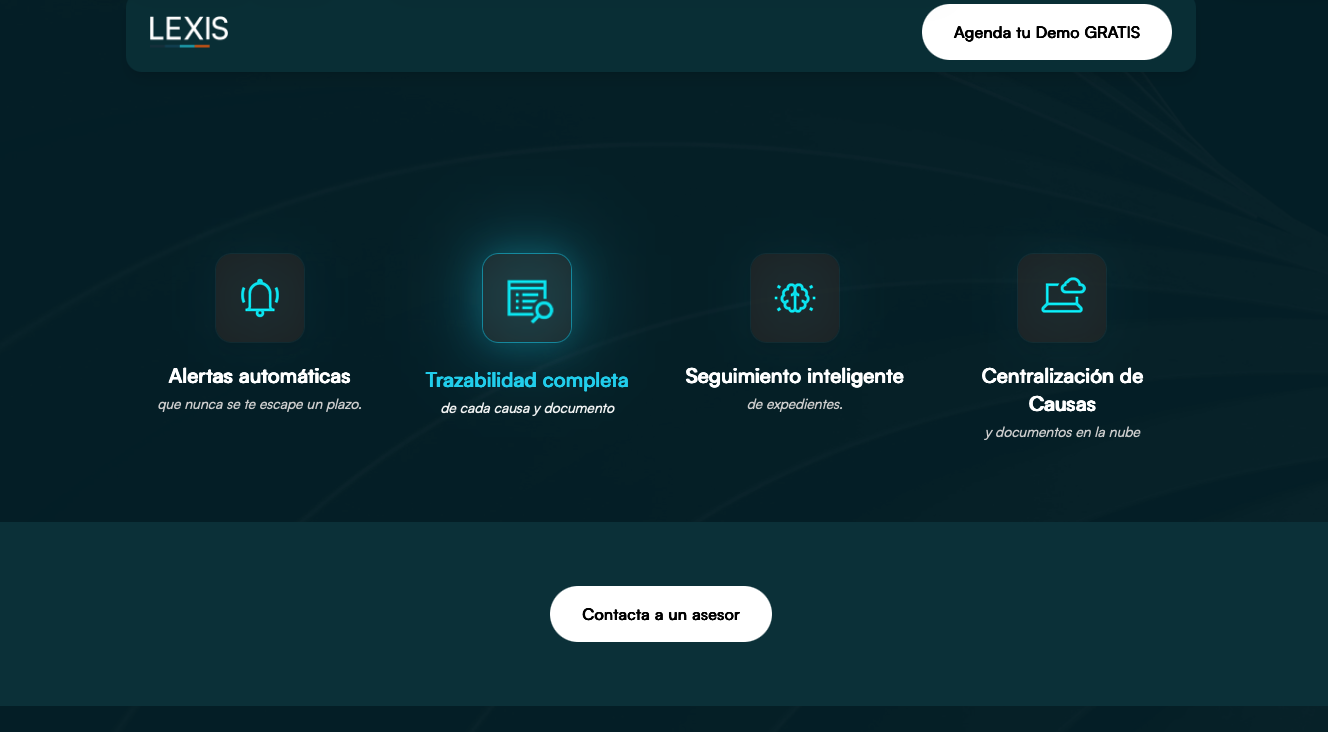
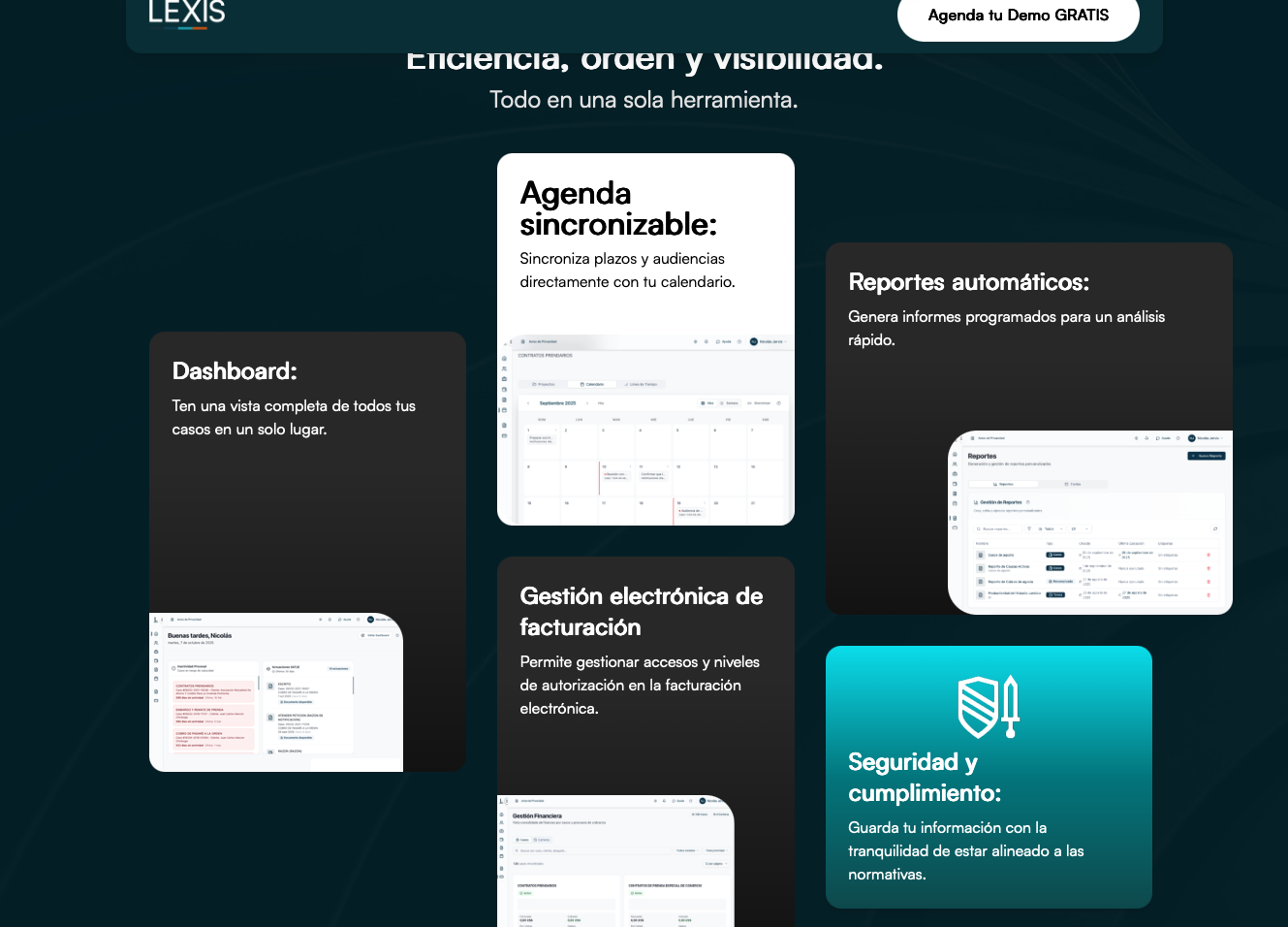
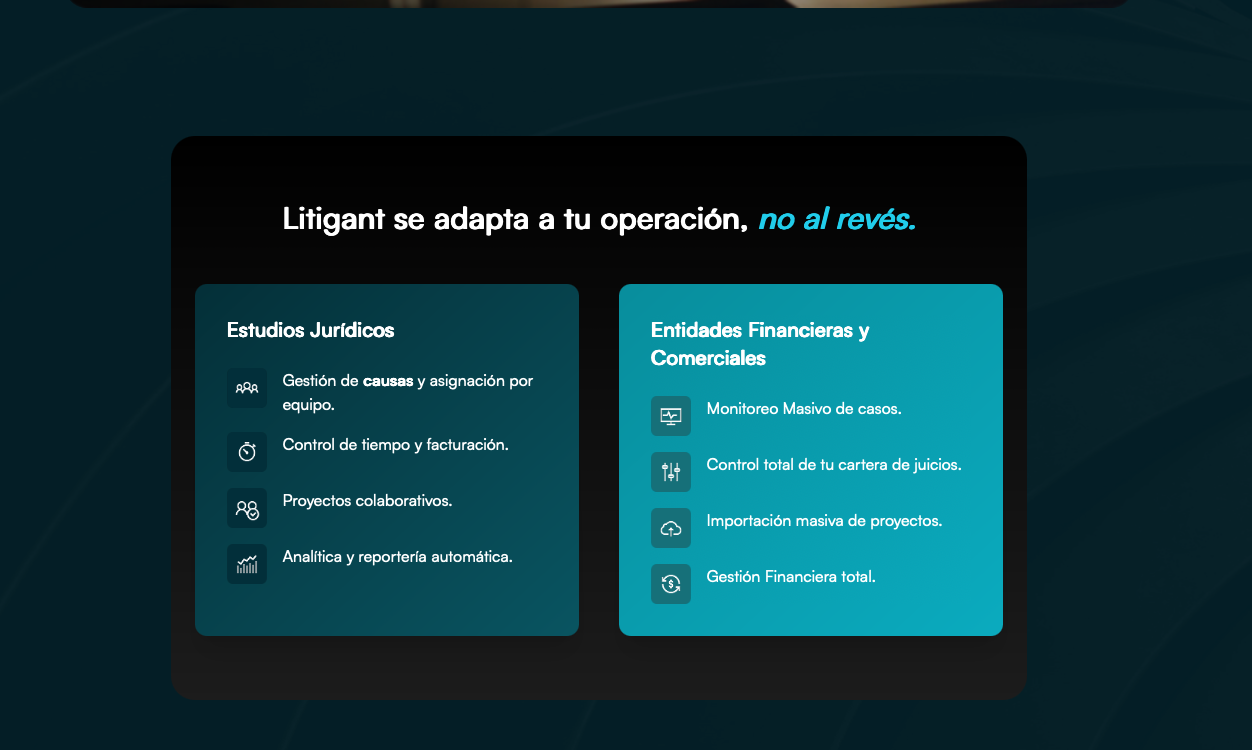
Litigant extends Lexis into full case management (dashboard, scheduling, electronic billing, and reporting), aimed at law firms and financial institutions managing high case volumes.
The Result
The "verifiable, not magic" principle became the standard for the rest of the Lexis system, later applied to the homepage redesign and used as the foundation for Litigant. The app went from a visually ambitious concept to a product that real lawyers and law firms adopted with confidence, driving a 30% increase in demo requests after the site relaunch.
The Lesson
The strongest design instinct isn't always the right one for the user. The most "impressive" version of the design nearly shipped. What stopped it was listening directly to the people who'd be trusting this tool with legal decisions.